Supply chain intelligence platforms 2026: how to choose the right one
The logistics landscape is evolving fast. Having visibility is no longer enough. Today's supply chains demand intelligence.
 Jose Incera Head of AI & Data Science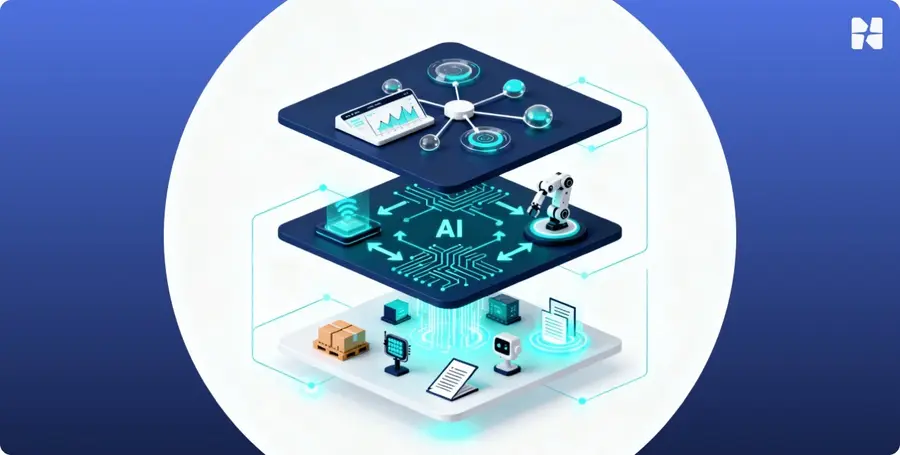
Why supply chain intelligence matters in 2026
The logistics landscape is evolving fast. Having visibility is no longer enough. Today's supply chains demand intelligence. Modern logistics operations depend on platforms that don't just show where things are but help teams decide what to do next.
In 2026, the key question isn't "Where is my shipment?" but "What's the smartest action to take right now?" That's the essence of supply chain intelligence.
According to McKinsey, nearly seven out of ten logistics executives plan to boost investment in AI and automation. The goal: to move from reactive tracking to proactive decision-making.
A supply chain intelligence platform brings every part of your logistics ecosystem together, from forecasting and procurement to warehouse and delivery, into a single connected environment. The result? Smarter decisions, faster resolutions, and fewer surprises.
What defines a modern supply chain intelligence platform
A true supply chain intelligence platform goes far beyond tracking. It's a central nervous system for your logistics network, one that collects data, analyzes it, and automatically responds to changing conditions.
Here's what defines the new generation of platforms:
• Unified data: All operational, financial, and shipment data is centralized and continuously updated. • Automation: Routine workflows like sending updates, checking carrier statuses, or verifying invoices run on autopilot. • AI-driven decisions: Predictive models identify risks before they turn into costly delays. • Actionable insights: Instead of static dashboards, you get real-time recommendations. • Scalability: The system grows with your business, adapting to new routes, partners, and volumes.
In short, it doesn't just tell you what's happening; it helps you decide what to do next.
Key capabilities to look for in your next platform
Real-time visibility and predictive insights
Tracking in real time is still essential, but predictive visibility is the real game changer. By combining AI, historical data, and real-world signals like weather or port congestion, teams can anticipate problems before they happen. Companies using predictive insights often see detention and demurrage costs drop by up to 30%.
Process automation and AI orchestration
Manual tasks like data entry and endless update emails slow down teams. AI orchestration takes over those repetitive workflows, ensuring systems like ERP, TMS, and WMS communicate automatically. If a shipment is delayed, the platform can trigger alerts, reroute freight, and update every stakeholder without manual input.
Data integration across ERP, TMS, and WMS
Disconnected tools create confusion. A modern intelligence platform connects ERP, TMS, and WMS data so everyone, from finance to customer service, works from the same source of truth. That connection reduces duplicated work and eliminates version mismatches.
Decision intelligence for faster problem-solving
Decision intelligence transforms complex logistics data into clear, recommended actions. For example, if a key port is congested, the platform can suggest alternative routes or automatically update customer ETAs. This allows teams to spend less time digging into reports and more time executing solutions.
Collaboration and transparency tools
Effective logistics depends on clear communication. The best platforms include built-in collaboration: shared workspaces, notifications, and threaded comments so every partner and team member stays aligned. Transparency improves accountability and dramatically reduces response times.
Common mistakes when choosing supply chain technology
Many companies still fall into the trap of buying visibility tools that don't integrate with their existing systems or that only add more dashboards. Instead of simplifying operations, they create more data silos.
To avoid these pitfalls, keep three priorities in mind:
• Integration first: Choose technology that connects easily with your current data and systems. • Automation built in: Visibility alone doesn't create efficiency; automation does. • Actionable insights: Look for platforms that recommend actions, not just report issues.
When you evaluate new technology, focus on its ability to predict, automate, and act. That's where the real ROI lies.
How to calculate ROI and long-term value
A well-implemented supply chain intelligence platform should start showing measurable returns within six months. Look for improvements like:
• 20–30% fewer detention and demurrage penalties • 50–70% reduction in manual data handling • 10–15% lower freight spend through better carrier performance • Higher customer satisfaction due to faster updates and reliability
The long-term value goes beyond immediate savings. As your business scales, automation absorbs workload instead of adding headcount. The more data the system processes, the smarter and more predictive it becomes, building continuous value over time.
Why Nauta leads the shift from visibility to intelligence
Nauta represents the next generation of logistics technology, evolving from visibility tools to full intelligence platforms.
Built with automation and AI at its core, Nauta connects people, systems, and data in one seamless flow. It allows logistics teams to:
• Automate up to 75% of manual tracking and reporting tasks • Centralize shipment data, emails, and documents in one workspace • Receive proactive, AI-based recommendations to prevent extra costs • Share real-time information with customers and partners instantly
Nauta doesn't just monitor; it acts. By orchestrating workflows across systems, it helps operations teams focus on exceptions and strategy instead of repetitive execution.
Nauta allows teams to manage more shipments with fewer errors and far less manual work. — a logistics leader
That's the power of intelligence and the competitive edge for 2026.
Key takeaways
The logistics industry is moving beyond visibility. The future lies in intelligence, platforms that connect data, automate responses, and guide decisions in real time.
When evaluating technology, focus on three fundamentals: integration, automation, and decision intelligence. Avoid fragmented tools and invest in systems that act, not just observe.
Nauta turns logistics visibility into operational control and proactive intelligence.
Ready to make your supply chain intelligent?
You don't need another tracking dashboard. You need a platform that connects people, systems, and decisions into one continuous flow of intelligence.
👉 Book a demo with Nauta and see how supply chain intelligence can help your team reduce costs, improve collaboration, and make smarter, faster decisions.
AI-native supply chain intelligence for a world that never stops.
Frequently Asked Questions
What is a supply chain intelligence platform, and how is it different from visibility software?
A supply chain intelligence platform acts as a central nervous system for a logistics network: it collects data, analyzes it, and automatically responds to changing conditions, rather than just showing where things are. It unifies operational, financial, and shipment data, automates routine workflows, uses predictive models to spot risks early, and delivers real-time recommended actions. In 2026 the key question is no longer where a shipment is, but what the smartest action to take right now is.
Why is visibility alone no longer enough in 2026?
Visibility alone is no longer enough because knowing where a shipment is does not tell a team what to do about it. Modern supply chains demand intelligence that helps teams decide and act, moving from reactive tracking to proactive decision-making. According to McKinsey, nearly seven out of ten logistics executives plan to increase investment in AI and automation to make exactly that shift.
What ROI should you expect from a supply chain intelligence platform?
A well-implemented supply chain intelligence platform should show measurable returns within six months. Expected improvements include 20 to 30 percent fewer detention and demurrage penalties, a 50 to 70 percent reduction in manual data handling, and 10 to 15 percent lower freight spend through better carrier performance, alongside higher customer satisfaction. Over time, automation absorbs workload instead of adding headcount, and the system grows more predictive as it processes more data.
What are the most common mistakes when choosing supply chain technology?
The most common mistake is buying visibility tools that do not integrate with existing systems or that only add more dashboards, which creates more data silos instead of simplifying operations. To avoid this, prioritize integration first, automation built in, and actionable insights that recommend actions rather than just reporting issues. When evaluating technology, focus on its ability to predict, automate, and act, because that is where the real ROI lies.
How does Nauta lead the shift from visibility to intelligence?
Nauta leads the shift because it does not just monitor, it acts. Built with automation and AI at its core, Nauta automates up to 75 percent of manual tracking and reporting tasks, centralizes shipment data, emails, and documents in one workspace, and delivers proactive, AI-based recommendations to prevent extra costs. By orchestrating workflows across systems, it lets operations teams focus on exceptions and strategy instead of repetitive execution.
Keep reading
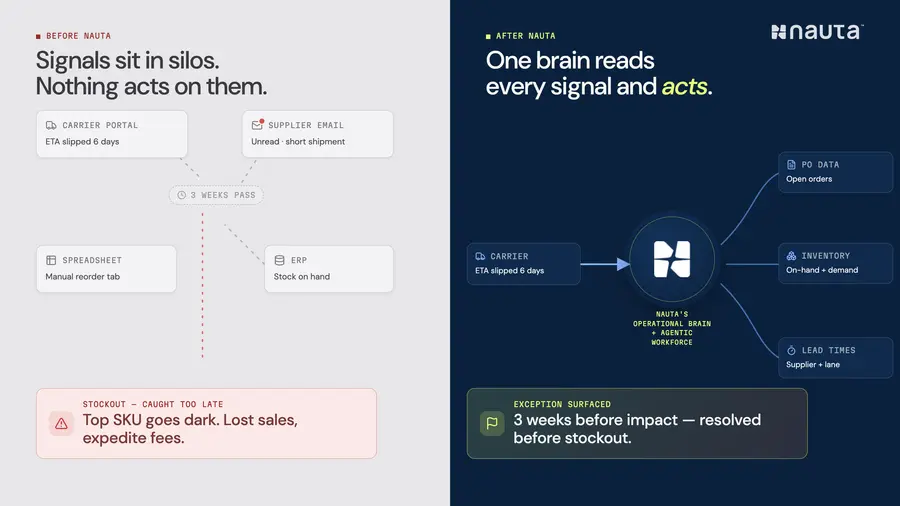
The Disruptions You Already Saw Coming: Why Supply Chain Signals Get Lost
Most disruptions are not invisible. The signal existed, it just never reached the person who could act on it. That is an infrastructure problem, not a forecasting one.
Read more
Unstructured Exception Management Is Driving Your Detention and Demurrage Costs
Unstructured exception management turns each disruption into a potential source of detention and demurrage costs that compound before anyone sees them coming.
Read more
AI in Supply Chain 2026: Why the Real Transformation Is Still Ahead of Us
AI is on every strategy roadmap, yet most organizations still don't see real, measurable ROI — because we're deploying AI without giving it the operational context it needs to matter.
Read more